
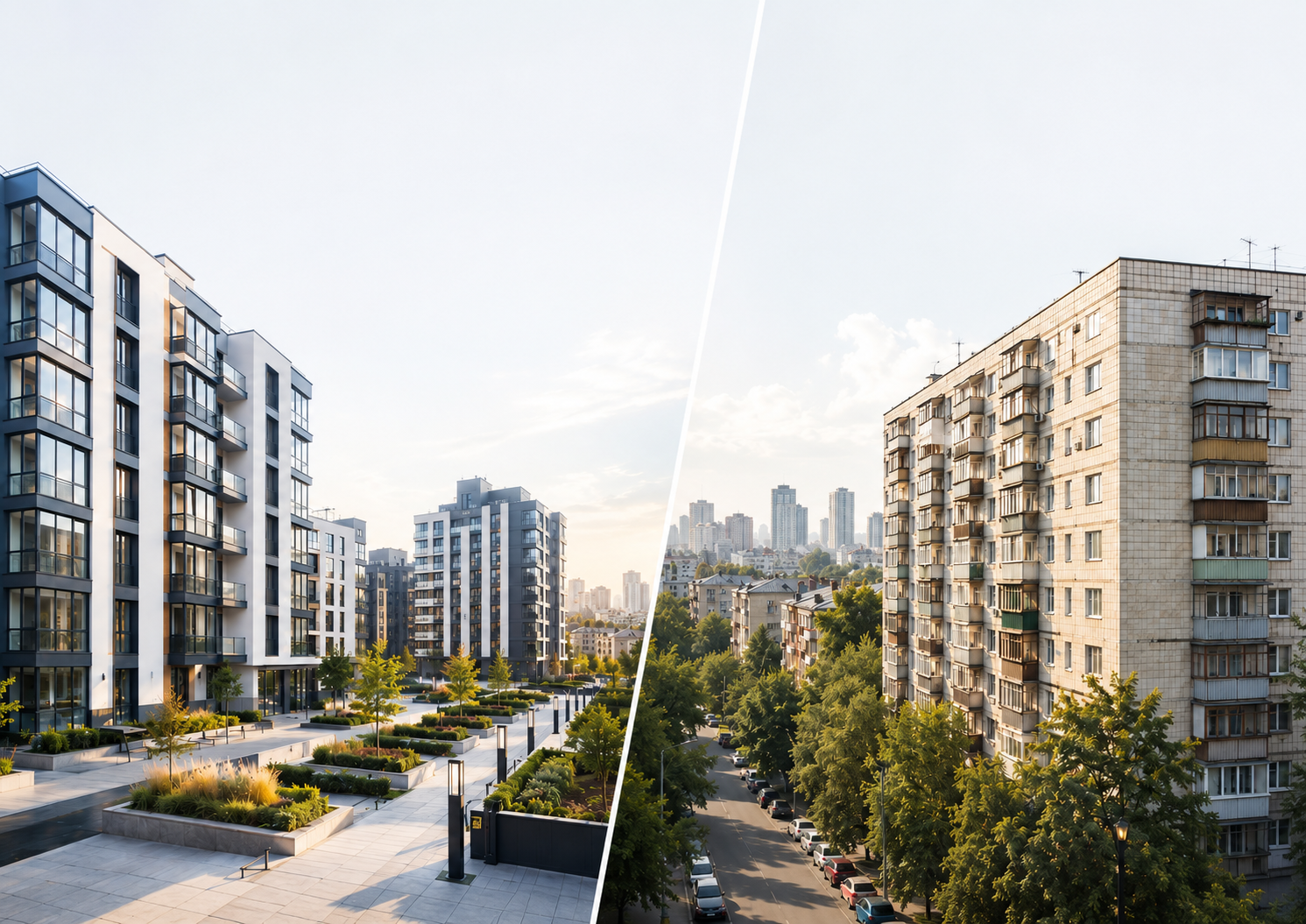
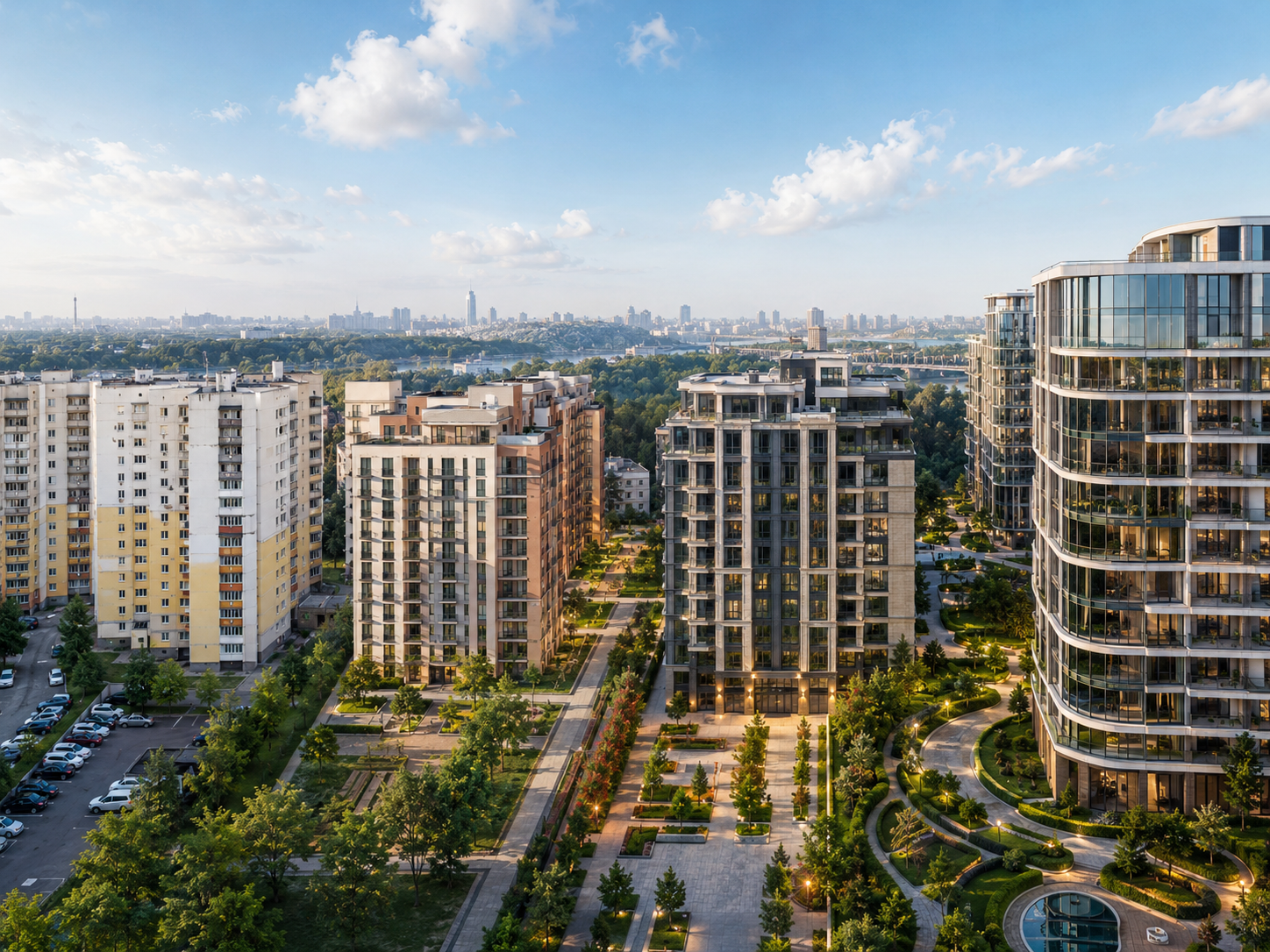
Buying an apartment in Kyiv is a decision that affects not only your budget but also your quality of life for many years. One of the first choices buyers face is whether to purchase an apartment in a new residential development or consider housing on the secondary market.
At first glance, the secondary market may seem like the simpler option: the building already exists, the apartment can be inspected in its current condition, and in some cases you can move in quickly. A new building, in turn, offers modern layouts, new engineering systems, energy efficiency, planned infrastructure and the possibility of buying directly from the developer.
To make a rational decision, it is important to compare not only the price per square meter but also the full cost of ownership, legal transparency, renovation costs, building comfort and the potential for value growth.
What is a new building and what is the secondary market?
A new building is an apartment in a new residential complex that has already been commissioned or is still under construction. Such housing is usually sold by the developer or by an investor.
The secondary market includes apartments in buildings that have already had private or corporate owners. This can include older housing stock, Soviet-era buildings, buildings from the 1990s and 2000s, or relatively new complexes where the apartment already has an owner.
Advantages of buying in a new building
The main advantage of a new building is a modern approach to housing. New residential complexes are designed around current expectations for comfort, safety, energy efficiency and infrastructure.
Modern layouts
New developments more often offer functional layouts: kitchen-living rooms, wardrobes, master bedrooms, spacious bathrooms, panoramic windows, loggias or terraces. Buyers can choose an apartment that fits their lifestyle: for one person, a couple, a family with children or an investment for rental income.
New engineering systems
New buildings use modern utilities and systems: electricity, water supply, heating, ventilation, elevators and security systems. This reduces the risk of technical failures and additional costs during the first years of living.
Energy efficiency
New buildings usually have better thermal insulation, modern windows, individual heating points or other energy-saving solutions. This affects both comfort and utility bills.
Infrastructure inside the complex
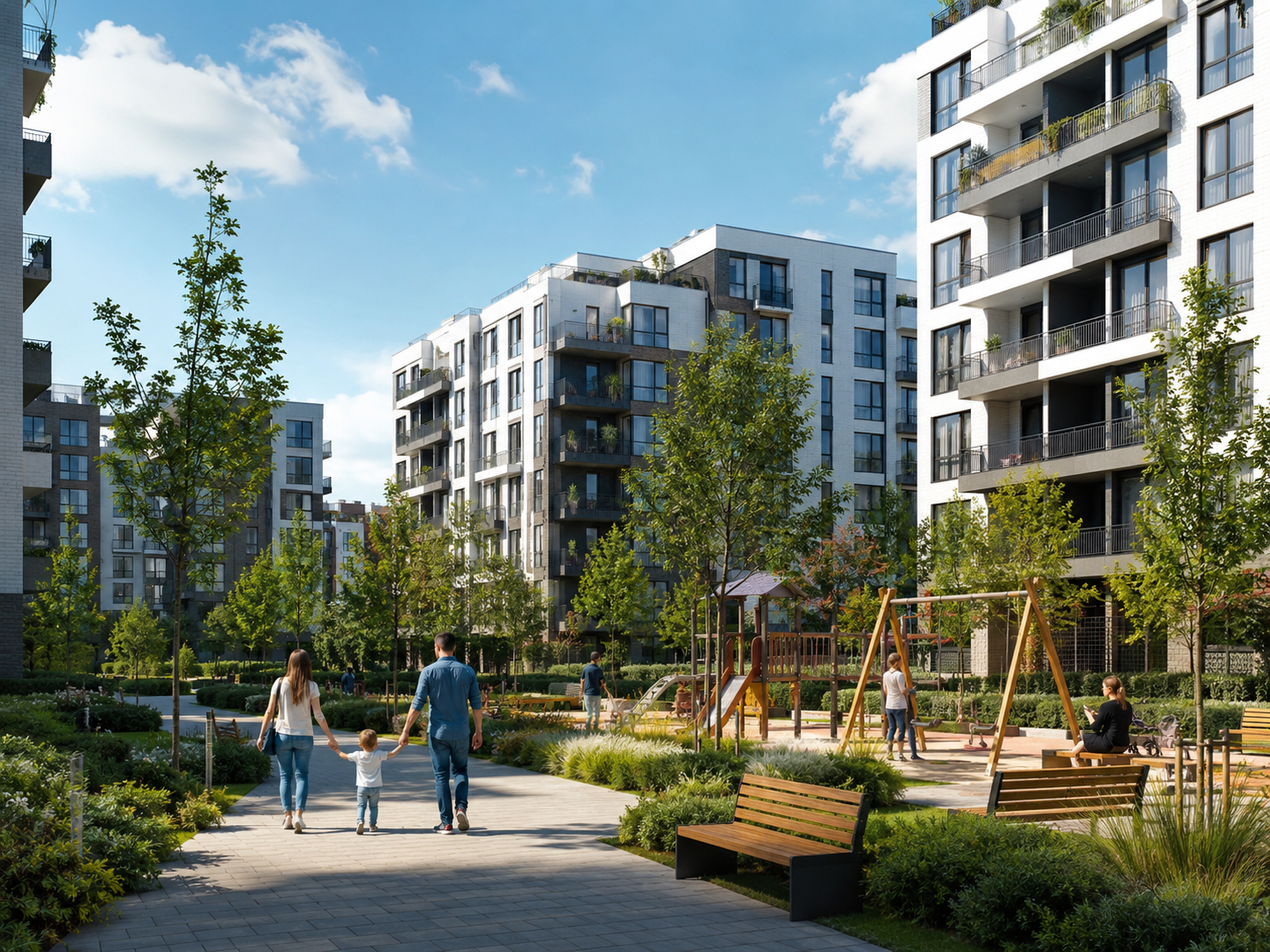
Modern residential complexes often include their own or nearby infrastructure: car-free courtyards, playgrounds, commercial premises on the ground floors, underground parking, recreational areas, security or video surveillance.
Advantages of the secondary market
The secondary market also has its advantages. The key benefit is readiness. The buyer can see the apartment, building, entrance, neighbors and district in real life.
Faster move-in
If the apartment is in good condition, you can move in quickly. This is important for buyers who do not want to wait for construction or renovation.
Established district infrastructure
Older districts of Kyiv often already have schools, kindergartens, shops, public transport, clinics and green areas. The buyer can immediately understand how the district functions in everyday life.
Room for negotiation
On the secondary market, the price often depends on the individual seller, the condition of the apartment and the urgency of the sale. In some cases, a discount can be negotiated.
Price: which option is more profitable?
It is not enough to compare only the price per square meter. It is important to consider the total cost after purchase. In a new building, the buyer often receives an apartment without renovation or in basic condition, so the budget must include finishing works, furniture, appliances and additional expenses.
On the secondary market, an apartment may be sold with renovation, but this renovation does not always meet the needs of the new owner. Often, after purchase, it is still necessary to update wiring, plumbing, flooring, the kitchen or the bathroom.
Renovation and apartment condition
In a new building, renovation can be planned from scratch: layout solutions, materials, lighting, furniture and appliances can all be selected according to the buyer’s needs. This is convenient for those who want a space without compromises.
In a secondary-market apartment, renovation often begins with dismantling. This means extra costs, time and the risk of hidden issues such as old wiring, uneven walls, worn pipes or ventilation problems.
Legal security
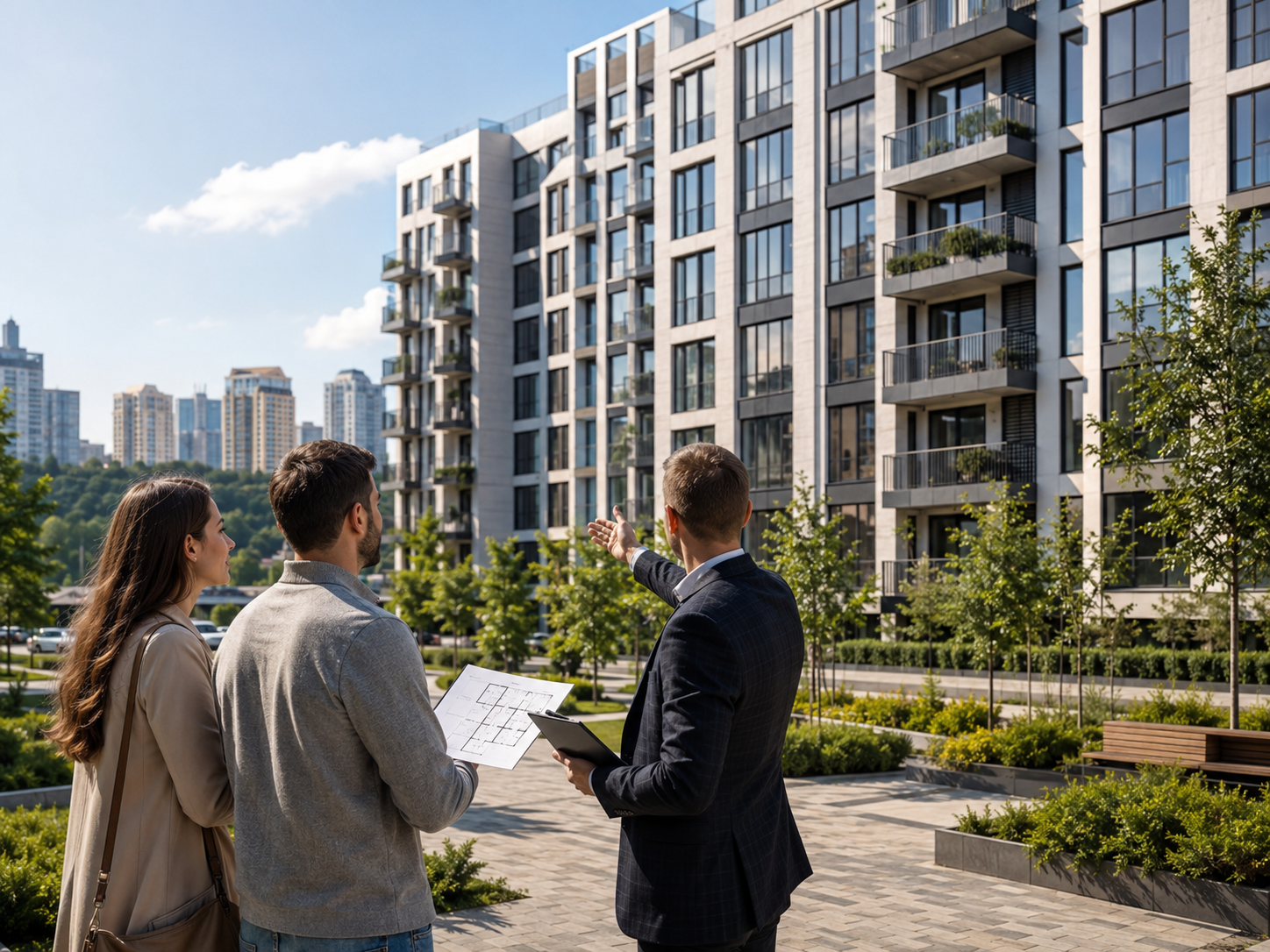
Legal due diligence is necessary in both cases, but the focus differs. When buying in a new building, it is important to check the developer, permits, land rights, construction status, contract terms and company reputation.
When buying on the secondary market, it is necessary to check the ownership history, previous transactions, inheritance issues, mortgages, arrests, debts, registered residents and co-owner consent.
Investment potential
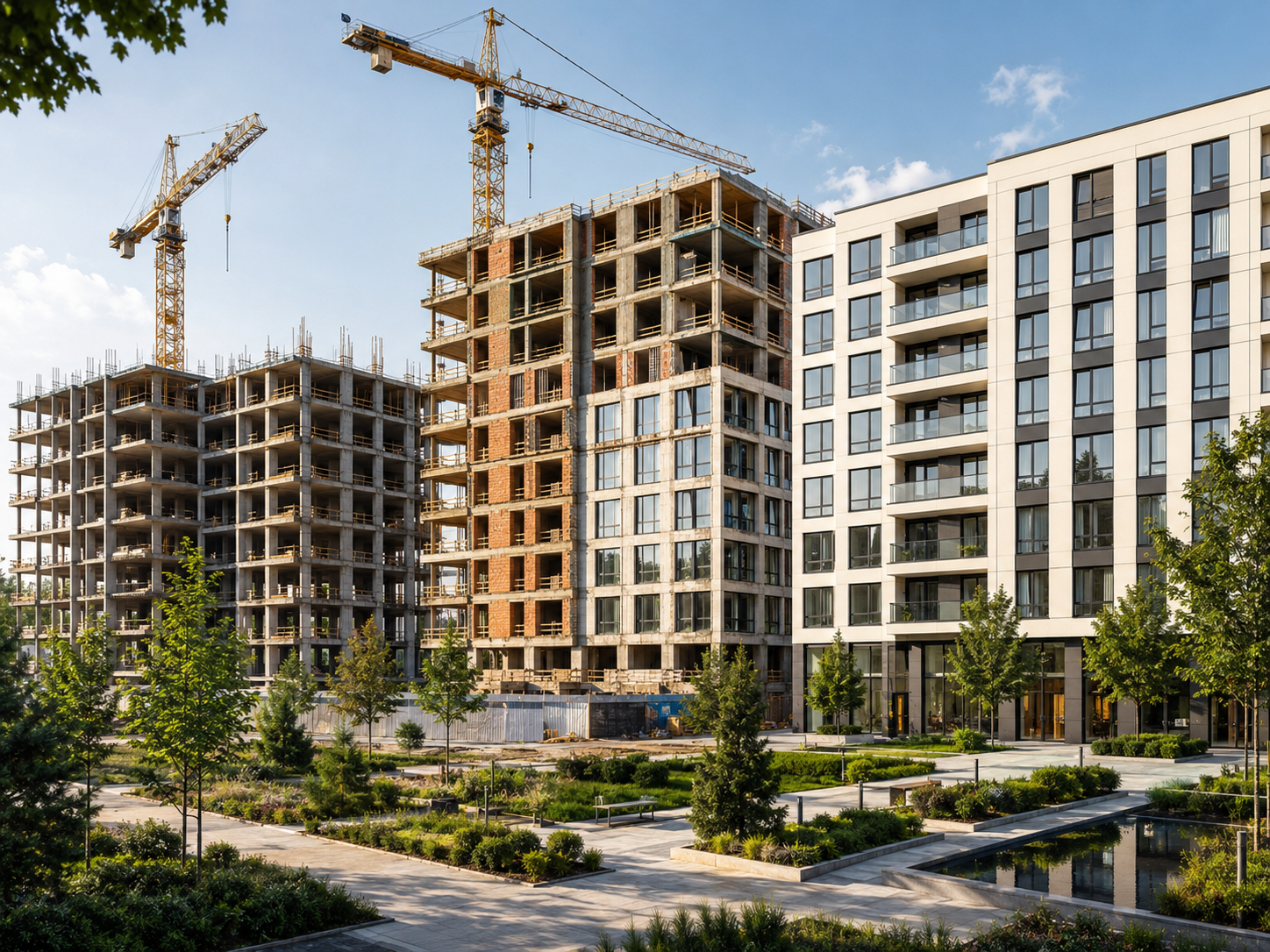
New buildings often have stronger value-growth potential, especially if the apartment is purchased at an early stage of construction or in an actively developing district. Value is influenced by the construction stage, developer reputation, class of the residential complex, transport accessibility, district infrastructure and rental demand.
Which is better for living?
For living, a new building often wins in terms of comfort: modern entrances, elevators, layouts, courtyards, parking, new utilities and the overall quality of the environment. The secondary market can be convenient if a specific location is critical or the buyer needs to move quickly.
Which is better for investment?
For investment, a new building is often a more flexible instrument. The buyer can choose an apartment with a liquid layout, optimal area and the potential for price growth after the building is commissioned.
How to make the choice
To choose between a new building and the secondary market, it is worth answering several questions:
- Do you need to move in immediately?
- What budget is available not only for the purchase but also for renovation?
- Is modern complex infrastructure important?
- Is the apartment intended for living or investment?
- How important are energy efficiency and building condition?
- Are you ready to check the ownership history of a secondary-market apartment?
- Is it possible to buy directly from a developer on convenient terms?
Conclusion
Both a new building and the secondary market can be the right choice if the apartment matches the buyer’s goals. However, for a long-term housing decision in Kyiv, a new building often has more advantages: modern layouts, new engineering systems, energy efficiency, landscaped territory, clear purchase terms and potential value growth.
The key is to choose not just an apartment, but a quality residential environment, check the documents, evaluate the location and work with a reliable developer.
FAQ
What is better to buy in Kyiv: a new building or a secondary-market apartment?
It depends on the purchase goal. If you need to move in quickly, the secondary market may be suitable. If modern layouts, new utilities, energy efficiency and value-growth potential are important, a new building is worth considering.
Is buying an apartment in a new building profitable?
A new building can be profitable due to a lower price at the construction stage, the modern condition of the building and the potential for value growth after commissioning. Renovation costs should also be included in the budget.
What are the risks of buying on the secondary market?
The main risks are related to ownership history, possible debts, arrests, inheritance issues, registered residents or the technical condition of the building.
Why can a new building be better for investment?
A new building can increase in price during construction and later have strong rental demand, especially if the complex has a good location, infrastructure and convenient apartment layouts.
What should you check when choosing a new building?
You should check the developer, documents, construction stage, location, transport accessibility, infrastructure, apartment layouts and purchase terms.
 Want to calculate the cost of an apartment?